



One of the biggest challenges in starting a business is figuring out how to set yourself apart from the competition. If you’re selling a popular, widely available product, you can be sure that demand is high. But with high demand comes a competitive market and larger, more established players.
Alternatively, you might have a completely original product—something no other company is providing. Standing out here is easy. But how can you be sure there’s a high enough demand for the product to sustain your business?
Balancing these factors is tricky, but easier when you start with a unique business idea.
Unique businesses in more niche industries tend to have less competition, but the competition they do have assures you there’s a market for your products. For any new business, starting from a point of uniqueness can make a world of difference when it comes to setting yourself apart from the competition. Get inspired by these unique business ideas, and set yourself up for success.
Unique small business ideas for first-time entrepreneurs
There are many ideas that fledgling business owners can consider that inspire creativity and make money. If you’re looking for a unique business idea, here’s a rundown of some favorites:
Food truck
If you love baking or cooking, an aspiration may be to one day open your own shop or restaurant. But opening a physical store can be costly, and developing a following of loyal customers to sustain your business can take much time and energy. Consider starting a food truck business to help kickstart your food entrepreneur dreams.
The food truck industry has experienced consistently strong revenue growth, and has outpaced the growth of traditional restaurants. In recent years, food trucks have experienced revenue growth of $2.2 billion, potentially signaling opportunities to entrepreneurs looking to get a foothold in the industry.
A food truck business offers the advantage of mobility, so you can bring your culinary delights to events and locations where you know there will be a lot of foot traffic and hungry customers. Even after opening a restaurant or café, having a food truck can play an important role in your business plan and operations. For example, the truck itself can double as a promotional tool, helping to build other revenue streams.
Captain Cookie & the Milkman started as a food truck in 2012 and has since expanded to multiple physical store locations to sell its fresh baked goods. It maintains roving food trucks throughout the Washington, DC, area, in addition to providing its signature trucks for private events.
Learn more:
Virtual interior design
With more than 148,000 interior design businesses across the US and an increased interest in home décor, this segment of the home industry shows much promise for business newcomers. Recent data estimates the interior design service market will bloom to about $177 billion by 2029, up from the nearly $138 billion expected this year. The home décor market is similarly poised for growth.
Combine that with augmented reality and you have virtual interior design. This is a unique business idea where online shoppers are able to “see” how furniture and other décor would look in their home.
Virtual interior design remains a relatively new industry, making it prime territory for new brands. There are even online platforms, like Havenly and Spacejoy, which match virtual interior designers with clients looking for their services.
Learn more: How To Sell Furniture Online
Dog walking and pet-sitting
Animal lovers might consider starting a dog-walking or pet-sitting business. It’s a great way to get some exercise, build personal relationships with clients, and make all kinds of four-legged friends. A dog-walking business is especially reliant on good customer service, so if you’re a people (and dog) person, dog walking can be a great business opportunity.
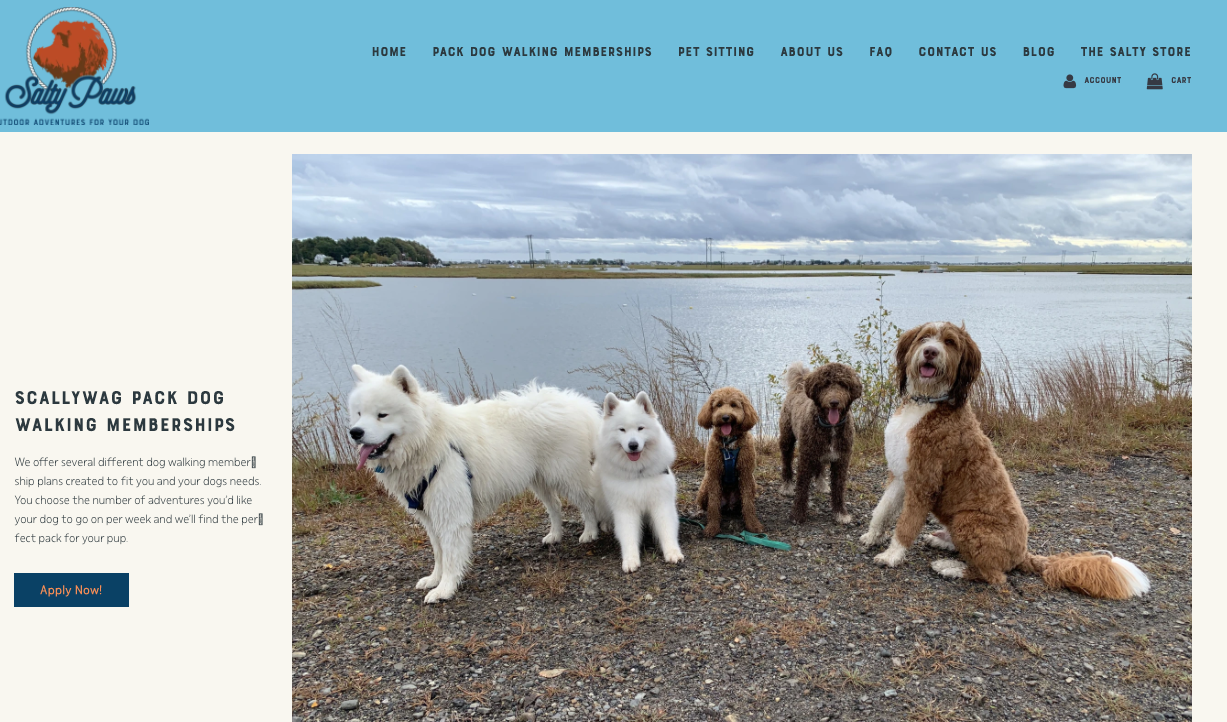
Still, dog-walking businesses are highly localized, so the types of services you offer depend on where you’re located. Take Salty Paws, for example. Aside from offering traditional dog-walking and pet-sitting services for pet owners, it also offers adventure walks to locations all along New Hampshire’s seacoast.
Learn more: How To Start a Pet Business (Top 11 Ideas)
Membership-based online education
There’s a growing demand for online learning and remote teaching. If you create an online course business, you can sell memberships and be a virtual teacher. Online courses teach just about everything a person might want to learn—from cooking to playing the piano—so it’s an industry that offers many possibilities and may be a perfect fit for new merchants looking to establish themselves.
In terms of revenue streams, you could sell access to recorded lessons, tickets to livestreaming sessions, and even relevant, accompanying products in an online store.
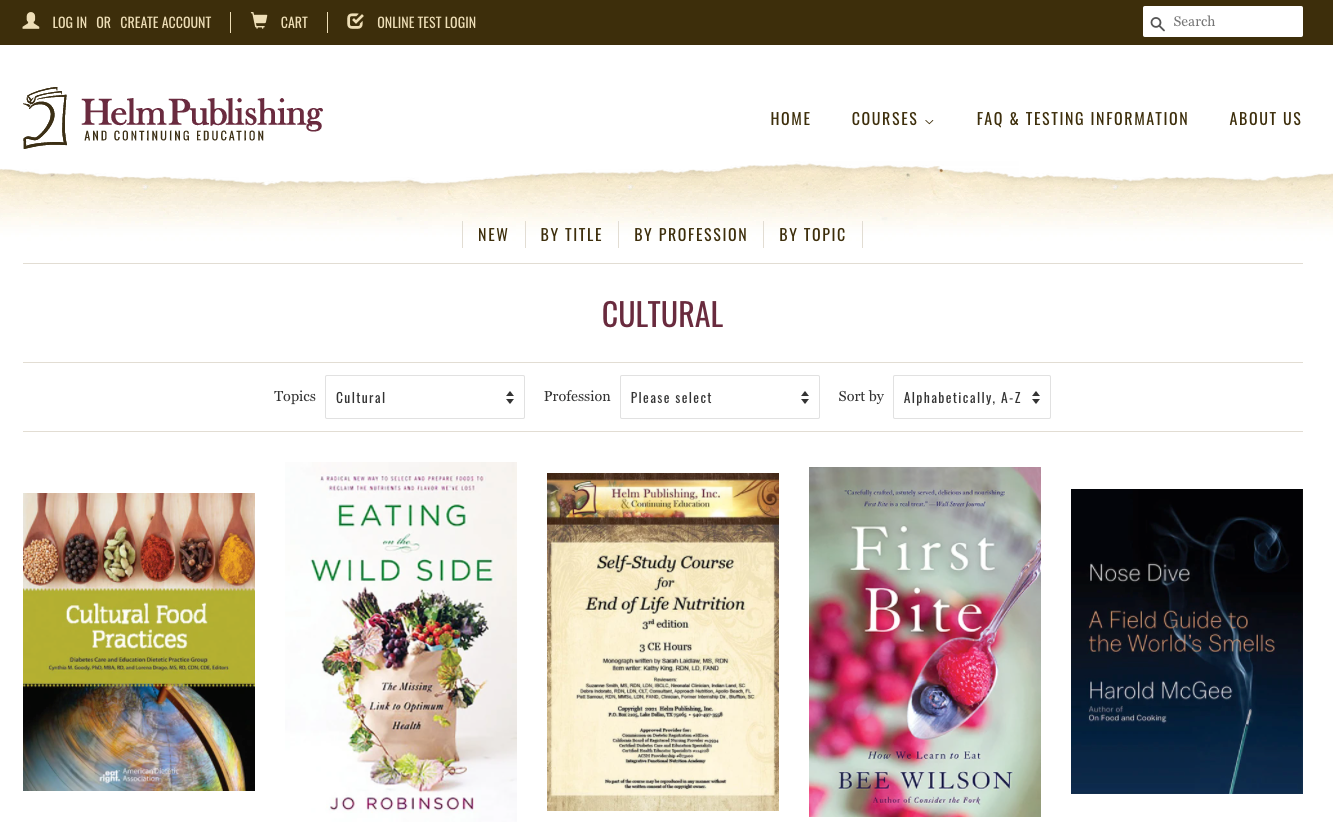
Or, take a more hands-off approach. For example, Helm Publishing offers open-book, self-study courses with accompanying tests and textbooks so customers can learn at their own pace.
Not sure what to teach? People tend to turn to Google when they want to know how to do something, so a good way to get your foot in the door of the industry is to perform some keyword research and see what types of lessons searchers would like to learn.
Learn more: Complete Ecommerce SEO Guide (2024)
Virtual assistant services
Virtual assistants are contracted workers that provide a wide range of services, including accounting, content marketing, and completing personal tasks like planning trips or managing schedules. You can assist virtually as a full-time job or side business.
Since businesses can hire virtual assistants from anywhere in the world, being a virtual assistant doesn’t restrict you to any specific location. Look to virtual assistant business examples like Fancy Hands and Zirtual as inspiration for your small business.
Niche cleaning service
Cleaning can be a chore, but if you find it gratifying or enjoy helping others, this could be a good business idea to pursue. There are many reasons someone might wish to delegate cleaning to a professional. Your business might specialize in niche areas such as bereavement home cleaning after the death of a loved one, car cleaning, or provide cleaning services following renovations.
Take PramWash, a Singapore-based stroller and child-gear cleaning service provider. While stroller cleaning might not be the first thing that comes to mind when you think of cleaning services, it still has a consumer demand, and PramWash has cornered the market.
On top of stroller cleaning, PramWash also offers other services for new parents—like in-home cleaning and disinfection treatments that use pet- and baby-safe cleaning products.
Cleaning services tend to stay in high demand, so pick a business name and get started with your new venture. When you own a cleaning business, you are building potentially long-lasting personal relationships with your customers.
Local grocery delivery
Groceries are a common need, but not everyone has equal access to fresh fruits, vegetables, and other grocery items. Grocery delivery services let shoppers pick out items from the comfort of their homes and have them delivered.
Grocery delivery has to serve at a local level since items like fresh meats and produce can spoil and need to be delivered quickly. That means that there are communities worldwide that have the potential to grow a niche grocery delivery business.
Retirement communities, college campuses, and densely populated areas tend to be perfect for starting a local business delivering groceries. Take, for example, Yummy.com’s online grocery store and delivery service, which provides fresh fruits, vegetables, baked goods, and other goods to customers throughout the Los Angeles area.
Online zines
If you love writing, chances are you’ve thought about founding your own magazine. Zines are small-circulation magazines that typically focus on niche topics. Zines tend to be fairly small and independent, so the industry is more accessible to newcomers.
The subject of your zine can be anything. Whether you’re an artist, designer, or writer, there are ample opportunities to showcase your talent and make money. Chances are, you’ll be more successful covering a topic that you’re passionate about.
Selling digital subscriptions to your zine is easy when using Shopify’s Digital Downloads app. If you want to sell physical copies, you could use a self-publishing app such as Lulu Direct.
You can also hire freelance remote workers to help with content creation.
CNC-based business
A CNC machine (also called a CNC router) is a computer-operated cutting tool that enables you to carve complex shapes out of materials like wood, metals, plastic, and glass. Since it operates via computer, CNC machines are able to mass produce goods in a fraction of the time it would take a professional builder.
Small-scale CNC machines can cost as low as a few hundred dollars or thousands of dollars. This makes it easier for small businesses to mass produce custom-designed products on a shoestring budget from their garages, basements, or bedrooms.
Demand for CNC products tends to be especially high on online marketplaces like Etsy and Facebook Marketplace. There are many products you could make with a CNC machine, including home décor, cooking tools, toys, games, and more.
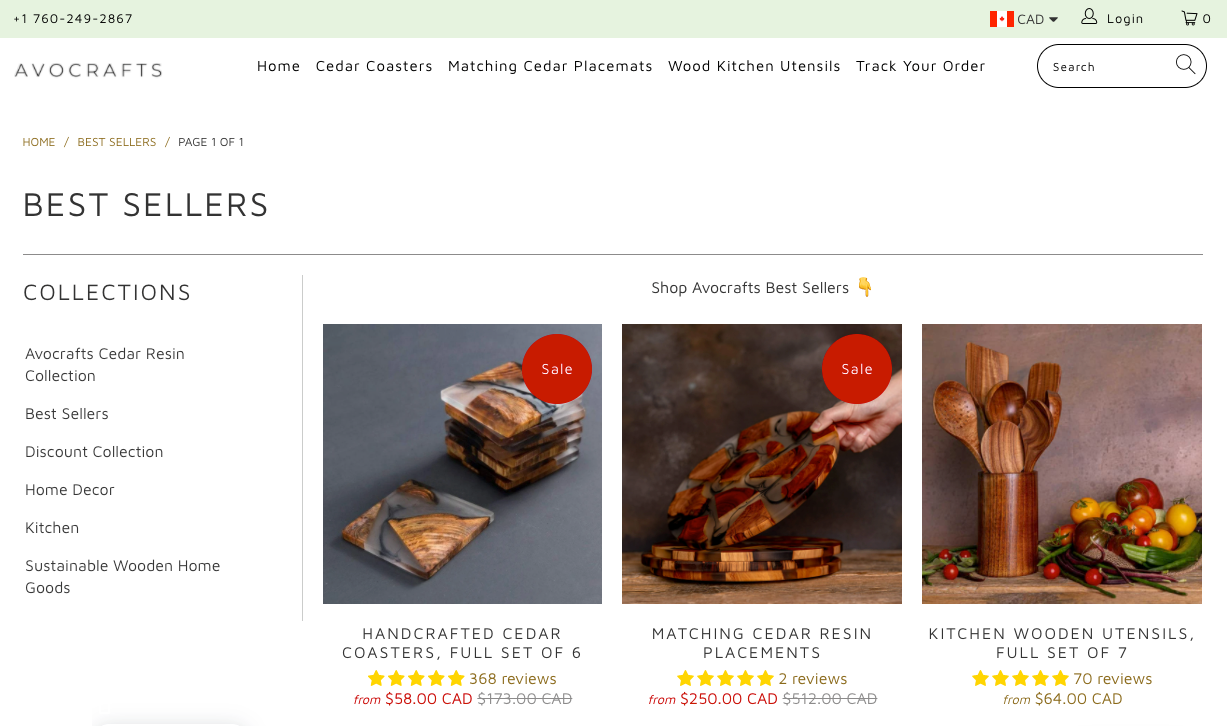
Take Avocrafts, for instance. Its line of cedar coasters and placemats are cut from a combination of wood and resin in such a way that each individual piece has a unique pattern. Drawing on the demand for uniqueness, Avocrafts offers its customers a high-quality product that’s one of a kind but still easy to mass produce.
Learn more: Putting the Pieces Together: 27 CNC Projects That Sell
Freelance bookkeeping
Freelance small business accounting services are typically in high demand, especially for small business owners. Take into consideration startup, overhead, and other operational costs, and you’ll quickly see the necessity of entrepreneurs having a solid financial foundation from which to build their business. Bookkeeping services offer crucial business support, and a freelance bookkeeping business offers you the flexibility to work with a variety of clients and set your own schedule.
As with virtual assisting, bookkeeping is a great home business for people who want to stay mobile, since it’s easy to work remotely. A good bookkeeper should be organized, detail oriented, and capable of multitasking, since they’re likely to be working with multiple clients at any given time. You can search examples of freelance bookkeeping services on sites like Bark.com.
Learn more: Ecommerce Bookkeeping 101 for Small Business: A Step-by-Step Guide
Author-preneur business
So many writers dream of being published authors, but the idea of having to spend months negotiating with big publishing companies over the creative direction of their work (and cut of the profits) can be discouraging.
But you can take the reins and become an author-preneur, which is an author who not only writes their own books but also sells them (and any related merch), cutting out publishing companies to directly engage with an audience. Author-preneurs take full ownership over the promotion of their works, often using social media marketing to build a dedicated fan base.
Whether your genre is romance, science fiction, or guides on how to build birdhouses, establishing an author-preneur business can be easy to start and financially rewarding.
With a number of print-on-demand book options to choose from, you are able to have high-quality copies of your books printed and shipped directly to consumers—so there’s no overhead or need to hold onto boxes of unsold stock in your garage or living room.
Some of the most successful writers to emerge in the past decade have been self-published author-preneurs, like Rupi Kaur.
Rupi is a poet who began sharing snippets of her work on Tumblr and Instagram. Unable to find a publisher for her work, Rupi made the decision to move forward without one, instead focusing on growing and engaging her online fan base. The move paid off: Her first self-published book, milk and honey, became the best selling book in Canada in 2017.
Along with her books of poetry, Rupi also sells her own merch to fans—such as clothing, prints, stationary, and temporary tattoos featuring her artwork. Creating additional streams of revenue like this on your store can help supplement income, giving you time to focus on writing.
Novelty t-shirts
T-shirts are one of the most common items of clothing, but they often act as more than just clothing. People use t-shirts to express themselves—their interests, their identities, their values, or sometimes just their favorite bands.
The global custom t-shirt printing market is expected to reach $45.5 billion in 2024, and is expected to grow at a compound annual growth rate (CAGR) of 11.1% from 2023 to 2030. You might not think of t-shirts as unique, but the industry is so expansive because the niching possibilities are endless.
Even with a high volume of competitors, no other brand will be selling your exact shirts. Whether they feature catchy jokes, intricate designs, stunning artwork, or rousing political slogans—no other product like yours will exist.
Learn more: Start Your T-Shirt Business: Guide
TikTok trainer
TikTok is one of the fastest-growing social networks, exposing a large number of potential audience members to your content. It also tends to be an especially personal app, with influencers relying on their personalities to help build relationships with their target audience.
Personal training is, well, personal—meaning building a high-level of trust with your clientele is especially important. Together, you can do what you love and promote your services on a platform to help fast-track your reach. Nurturing client relationships can take time for a traditional personal trainer, but having a dedicated following on a social media network like TikTok gives you a head start on the competition.
Your TikTok marketing could include post-workout routines and tips, engage your audience with fitness challenges, share nutritious recipes, or update people about your day-to-day life.
If you’re looking for inspiration, check out TikTok influencer Ulissesworld. A former professional bodybuilder, Ulisses has grown to become one of fitness TikTok’s most popular content creators. He’s also not afraid of deviating from fitness to show a more fun and personal side as well.
Learn more: How To Make Money on TikTok: 8 Proven Ideas
Life coach
If your best entrepreneurial asset is your ability to build personal relationships with clients, life coaching could be the perfect fit.
Coaches can work with clients facing a number of challenges and may specialize in niches like relationships, career development, dealing with conflict, or just providing support to clients in the midst of overcoming obstacles.
While not a substitute for professional counseling, life coaching can make a significant difference in the lives of your clients—and can be an especially fulfilling online business to pursue.
Life coaching usually focuses on identifying client goals, assessing obstacles to achieving those goals, and developing a plan of action for overcoming those obstacles..
For example, take the life coaches at Gay Man Thriving. They’re relationship experts who work exclusively with gay men, helping them overcome the fear of rejection in the pursuit of love.
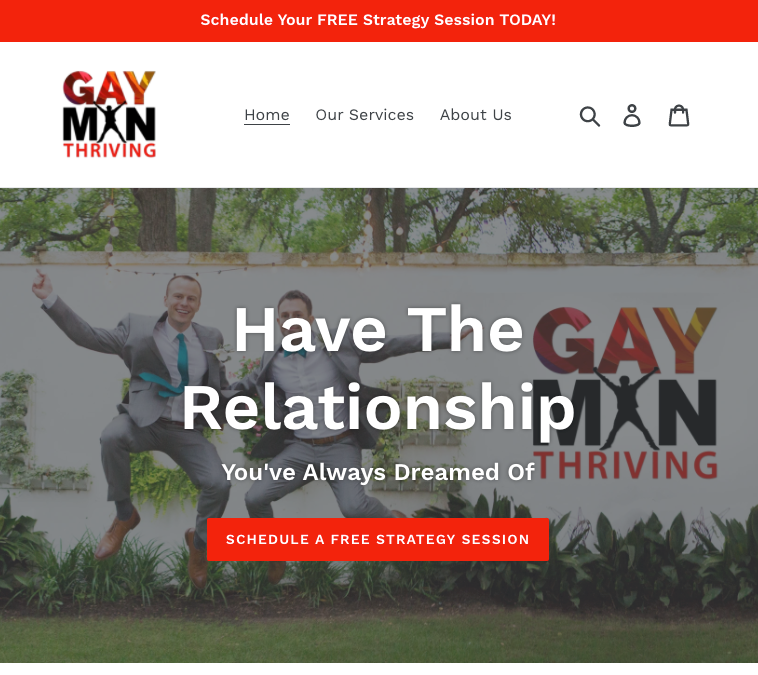
By focusing on an underserved community, Gay Man Thriving immediately sets itself apart from competing relationship advice programs.
Local travel guides and maps
Well-versed travelers know that the best guides are often the local ones. Whether looking for clubs, restaurants, events, or the best hiking trails—it’s the people who live in a travel destination that often have the best ideas for how to spend your time there.
If you live in a popular tourist area, chances are travelers are looking for things to do. Why not show them with your own line of local travel guides? Travel guides can take many forms—you could sell audio walking tours, books, maps, or even augmented reality tours.
And you don’t have to live in Paris or New York to create these types of resources. Smaller tourist destinations can also have equally high demand, since fewer tourist resources may be available. TravelBrains is an example of a travel guide business specializing in unique, guided experiences.
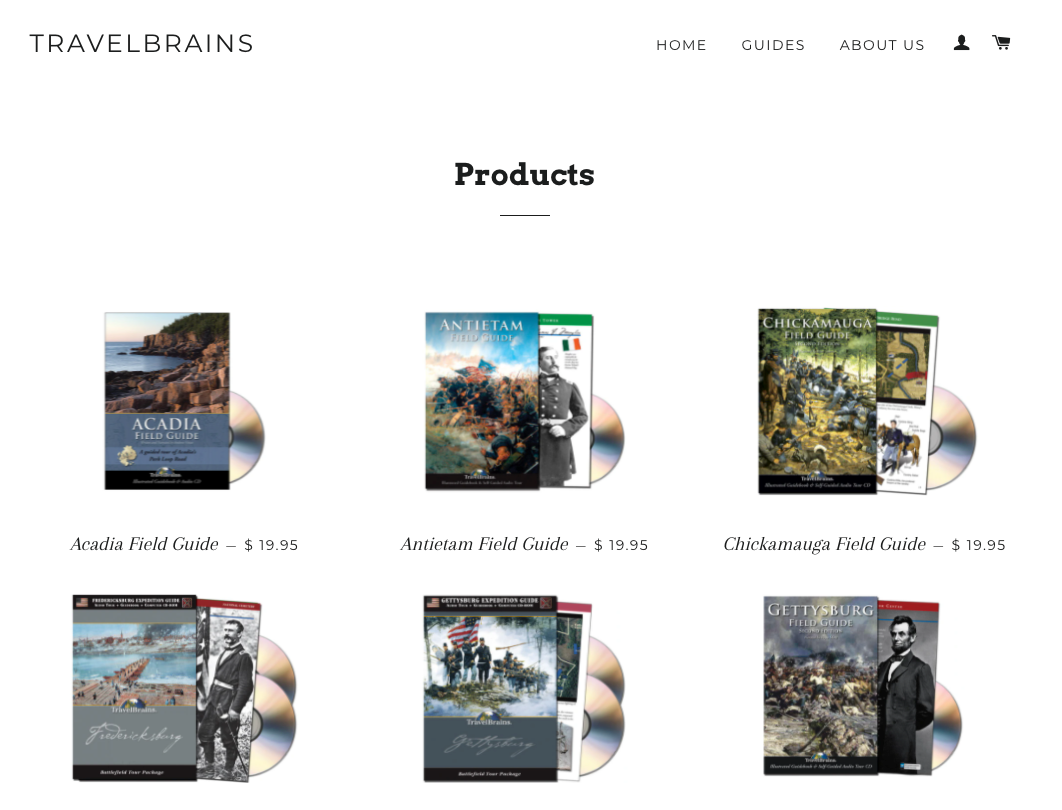
Based in Bedford, New Hampshire, TravelBrains offers audio field guides created by local historians that help tourists learn more about the area’s many historical sites.
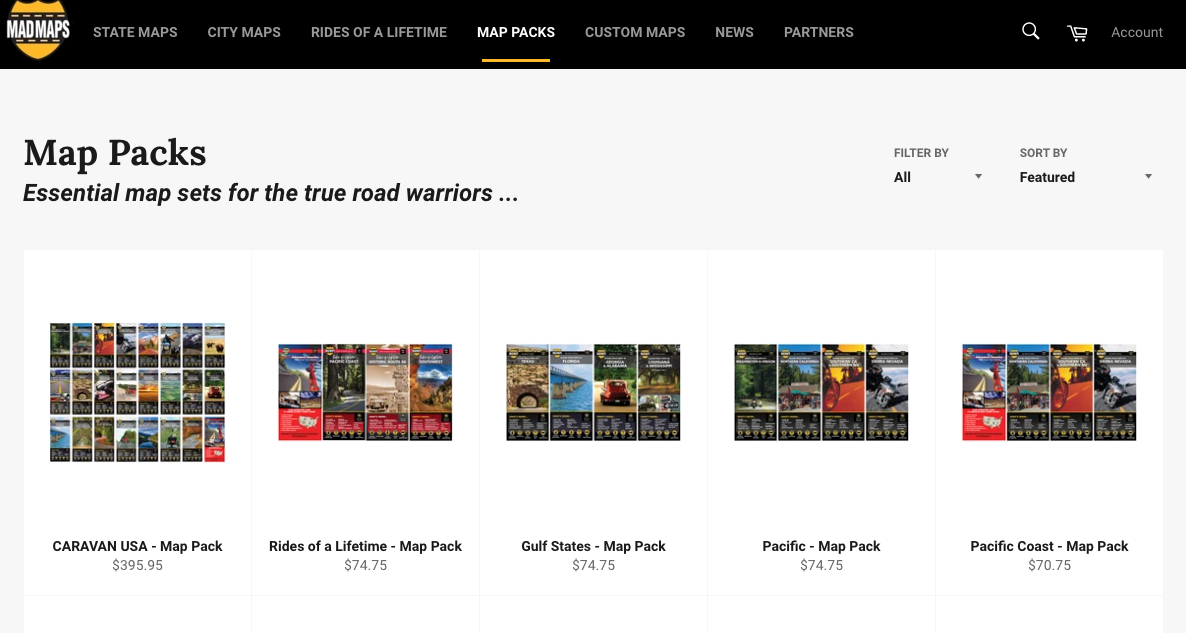
You don’t have to solely niche by location, either. You can make tourist maps and travel guides for a specific group of hobbyists. For example, MAD Maps offers state and city maps specifically for motorcyclists, detailing the best routes through the US.
Podcasts
Podcasting is one of the fastest-growing forms of media. In 2022, 79% of Americans reported having listened to a podcast, and the number of listeners is expected to grow over the next five years.
This leaves ample opportunity for newcomers to start a podcast and build an audience. Podcasting is inexpensive, easy to learn, and one of the few collaborative media projects that can be done from several different locations, making it perfect for working remotely.
Monetizing podcasts is fairly straightforward as well. A common online business model for podcasters is to offer a shorter, free version of the podcast alongside a longer, more in-depth paid version. You can also develop super niche podcasts that cater to a specific audience willing to pay for unique, exclusive content.
As you start to build an audience for your podcast, you could also monetize by selling merch or doing live recording events.
The podcast Crime Junkie focuses on true-crime storytelling and provides exclusive content through paid, tiered memberships ranging from $60 to $240 a year. Crime Junkie consistently ranks among the top podcasts in the US.
Podcasters tend to have a level of authority with their audience, making popular podcasts widely sought after by brands looking for partnerships.
Learn more: How To Start a Podcast in 11 Steps
Got a unique business idea? Here’s what to do next
- Come up with a unique selling proposition
- Develop a business plan
- Promote your business through SEO
- Launch your online store
Standing out is no easy task in the world of business, but when you’re trying to get your business off the ground, it’s crucial to set yourself apart from your competitors. Having a unique business idea is a great starting point. Here’s what to do next:
1. Come up with a unique selling proposition
You may have a unique idea, but it doesn’t mean you won’t have competition. A competing business may not have the exact same service as you, but if customers choose them, then you need a way to set yourself apart.
A unique selling proposition is the selling point that makes your business different from competitors. When customers are overwhelmed with options, it helps if they can quickly and easily understand what makes your business different.
That’s why it’s important to develop a unique selling proposition to guide your branding and digital marketing decisions. Focusing on a specific selling point in your marketing will help easily explain what makes your business different to customers, and help create a more memorable idea of your business in your audience’s mind.
Learn more: Win Sales With a Unique Selling Proposition + 9 Examples
2. Develop a business plan
There are many steps to growing your business, from coming up with an idea to hiring collaborators to evaluating startup costs. A good business plan can help you clarify potential roadblocks and secure any resources you might need.
Good entrepreneurs can adapt to change, but it’s still important to have a plan. Take the time to:
- Research your business idea
- Identify potential challenges and pain points
- Consider what you’ll need to grow your business
- Develop a timeframe for putting your business plan into action
Learn more: How To Write a Business Plan in 9 Steps
3. Promote your business through SEO
Search engine optimization, or SEO, involves practices and strategies for bringing search engine traffic to your online store or social media profiles. SEO is especially important for unique businesses since potential audiences are likely to be searching for a solution that your business offers.
SEO best practices include creating web content that’s extracted by Google’s web-crawling algorithm and supports your SEO strategy, and optimizing keywords that existing and potential customers might use in their product search.
Studies have shown that users rarely click past the first page of search results, so getting the top position on the search engine results page (SERP) gives a competitive advantage.
Learn more: Complete Ecommerce SEO Guide
4. Launch your online store
When ready to launch your store, assess your level of preparedness to take your business online by asking yourself several key questions:
- Is your payment processor set up correctly?
- Do you have any dead links on your website?
- Are pages easy to navigate?
- Will your customers find what they’re looking for?
To help navigate this step, consider creating a launch checklist to organize your thoughts and streamline all the tasks you’ll need to complete before opening your store.
Learn more: Launch Your Online Store: The 15-Point Ecommerce Checklist

Stand-out from the competition with a unique business idea
Starting your first business can be an incredibly exciting experience, but it also comes with challenges. Yes, coming up with an idea is important, but remember: How you execute the idea is often the deciding factor in success.
Focus on the elements of your business that are unique or solve a common problem in a new way, or on how your product is otherwise different from the competition.
Smartphones were invented years before the iPhone, electric cars existed ahead of Tesla, and Amazon wasn’t the first company to sell products online.
The best business ideas aren’t always completely original. It’s their desire to do things differently that sets them apart.
Unique business ideas FAQ
What are some unique business ideas?
The best business ideas usually either offer a new spin on an existing business or provide service to a niche market that might not be adequately served by existing products and services. To get some inspiration, check out the unique businesses above.
How can you make business ideas profitable?
There’s no easy answer for making a business profitable, but if you’re offering a unique service, it helps to promote your business through SEO and social media marketing, as well as to have multiple streams of income to draw from.
How do you come up with a unique business idea?
To come up with a great business idea, think about successful businesses that you find inspiring. What is it that sticks out to you about these businesses? What sets them apart? Then ask yourself what they could be doing better. Oftentimes, completing a competitive analysis and identifying problems in competing businesses can ignite a new idea for your own successful small business.
